Still tired with Hashimoto's? Fatigue on levothyroxine
Most people with Hashimoto's feel well once their thyroid hormone is replaced. A meaningful minority do not, even with a normal TSH. Their fatigue is real, and it deserves a careful, systematic look rather than a dismissal or a guess.
Key takeaways
- Roughly 1 in 10 people treated for hypothyroidism report persistent symptoms despite a normal TSH.
- First confirm the basics: dose, timing, absorption and TSH target.
- Many treatable causes of fatigue are more common in people with autoimmune thyroid disease.
- Combination T4/T3 therapy has not outperformed levothyroxine in most trials, but a carefully monitored trial is reasonable for some patients.
- Fatigue with normal labs is not 'in your head', and it is not always the thyroid.
Start with the basics
- Is TSH in range, and stable? Fluctuating values often point to how the tablet is taken.
- Timing and absorption. Levothyroxine works best on an empty stomach, 30 to 60 minutes before breakfast or at bedtime, away from coffee, calcium, iron, soy and acid-reducing medicines.
- Brand or pharmacy changes. Switching manufacturers can change TSH; recheck six to eight weeks after any change.
- Target. For most adults a TSH in the lower-to-middle part of the normal range is a reasonable goal; it should not be pushed below normal.
Other causes worth checking
Autoimmune conditions cluster, and fatigue has many sources. Depending on your history, it is worth checking for:
- Iron deficiency or anemia, and vitamin B12 deficiency (including pernicious anemia)
- Celiac disease, which can also impair levothyroxine absorption
- Vitamin D deficiency
- Sleep apnea and poor sleep
- Depression and anxiety, which deserve treatment in their own right
- Diabetes, adrenal insufficiency, and low testosterone in men
- Menopause, medicines, and long-COVID or post-viral fatigue
What about T3 or combination therapy?
Most randomized trials comparing levothyroxine alone with levothyroxine plus liothyronine (T3) found no consistent overall benefit, although many patients in these studies preferred the combination. Some research suggests a subgroup with a common variant in the deiodinase gene (DIO2) may respond better, but this is not yet a reliable basis for treatment decisions. Current guidance allows a carefully monitored trial of combination therapy in patients who remain unwell despite optimal levothyroxine, after other causes are addressed. Desiccated thyroid extract contains a higher T3 proportion than the body makes and is not preferred. Combination T4/T3 and desiccated thyroid.
Do the antibodies cause fatigue?
Some studies link positive antibodies to fatigue even when thyroid levels are normal, but treating the antibodies has not been shown to help. What TPO antibodies mean.
A practical plan
- Confirm consistent dosing and a stable, appropriate TSH.
- Screen for the common other causes above.
- Address sleep, activity and mood.
- If symptoms persist, discuss a time-limited, monitored trial of combination therapy with your endocrinologist.
When to see an endocrinologist
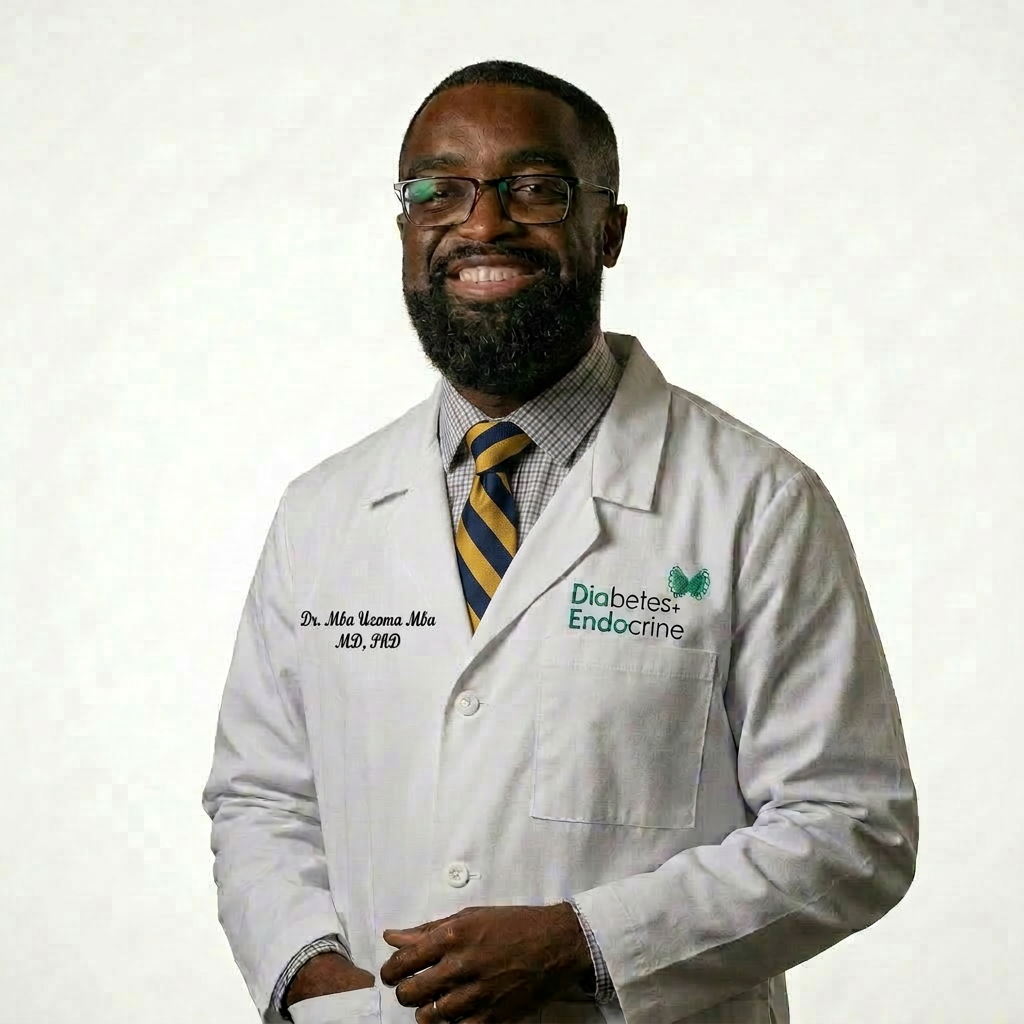
If you remain unwell despite a normal TSH, a review by an endocrinologist can sort out what is thyroid-related and what is not. In San Diego: Diabetes & Endocrine Specialists.
Sources: Jonklaas J, et al. Guidelines for the Treatment of Hypothyroidism. Thyroid. 2014;24:1670–1751. Jonklaas J, et al. Evidence-based use of levothyroxine/liothyronine combinations in treating hypothyroidism: a consensus document. Thyroid. 2021;31:156–182. Saravanan P, et al. Psychological well-being in patients on adequate doses of L-thyroxine. Clin Endocrinol. 2002;57:577–585. Reviewed October 2026.
Ready for thyroid care that takes your questions seriously?
Board-certified endocrinologists. Physician-scientists. Straight answers about what works and what does not.
We see patients with Hashimoto's in La Jolla, La Mesa and Poway: Hashimoto's care at Diabetes & Endocrine Specialists.